Get Radon Gas Abatement in Greenville, SC
Radon Gas Abatement services for Greenville, SC, help property owners reduce radon levels through testing, ventilation, and sealing projects to improve indoor air safety.
If you’re a property owner in Greenville, SC, considering radon gas abatement, you’re in the right place to explore your options. Radon is a naturally occurring gas that can accumulate indoors, potentially impacting health and property value. Planning a radon mitigation project involves understanding the different approaches available and choosing the right solution for your home or business. Comparing local contractors who specialize in radon abatement can help ensure you find experienced service providers capable of addressing your specific needs.
Continuing to learn about radon mitigation options can help you make informed decisions when selecting a service provider. Many local contractors in Greenville and nearby areas offer a range of solutions tailored to different property types and conditions. Gathering information about their services and expertise can assist in planning a project that effectively reduces radon levels, making your property safer and more comfortable. Keep reading to discover how local professionals can support your radon abatement goals.
- Radon Gas Testing - homeowners in Greenville, SC may need testing when purchasing a new property or noticing indoor air concerns.
- Radon Mitigation System Installation - residents in neighborhoods with elevated radon levels might seek mitigation to reduce indoor radon concentrations.
- Basement Radon Reduction - property owners with finished basements in areas like Spartanburg may require expert services to address radon buildup.
- Attic and Crawl Space Radon Control - those experiencing higher radon levels in upper levels of their homes could benefit from specialized abatement solutions.
- Radon Inspection and Consultation - individuals planning renovations or concerned about indoor air quality can contact local contractors for professional advice.
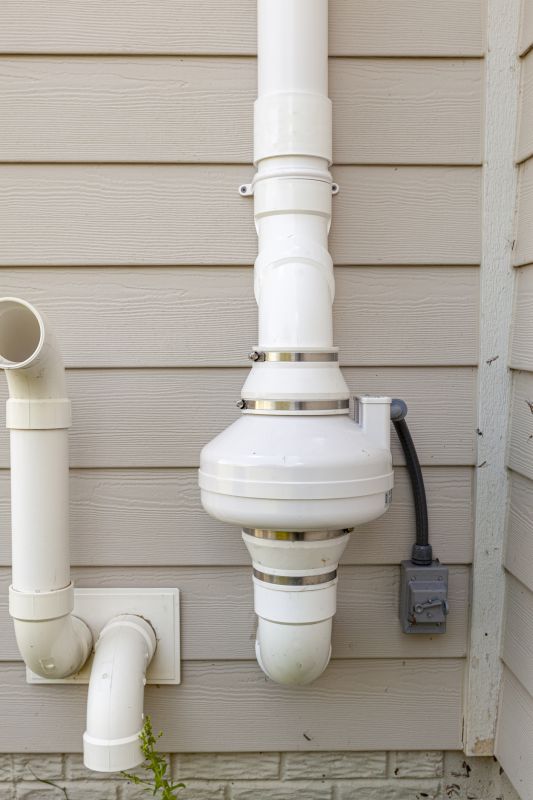
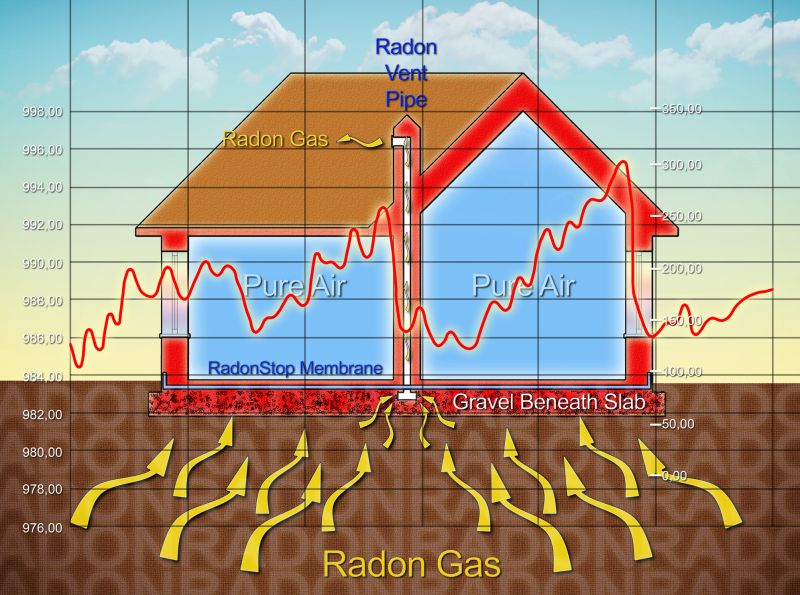
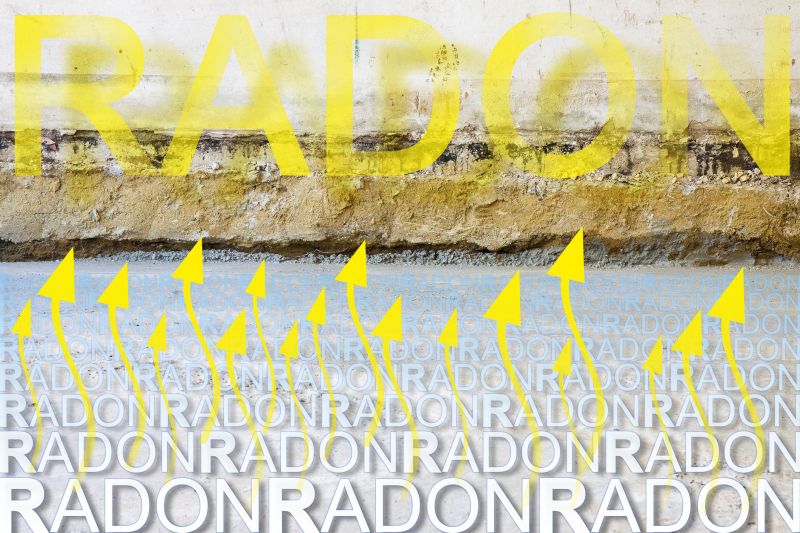
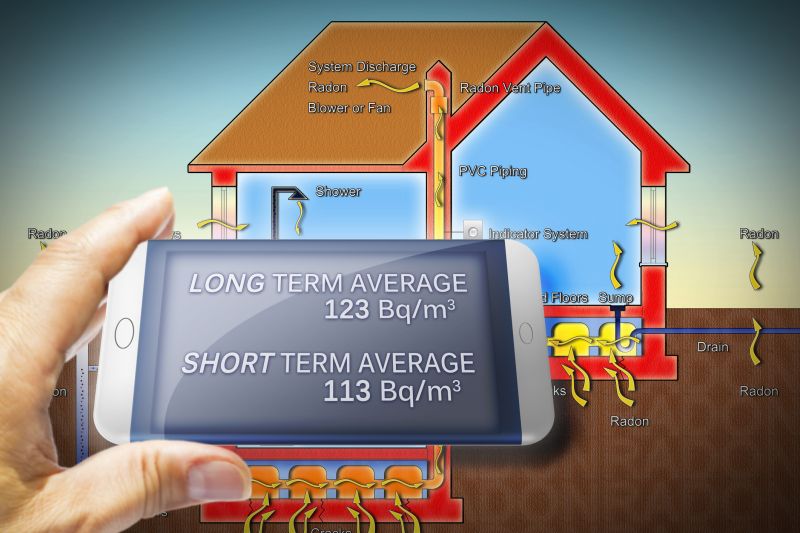
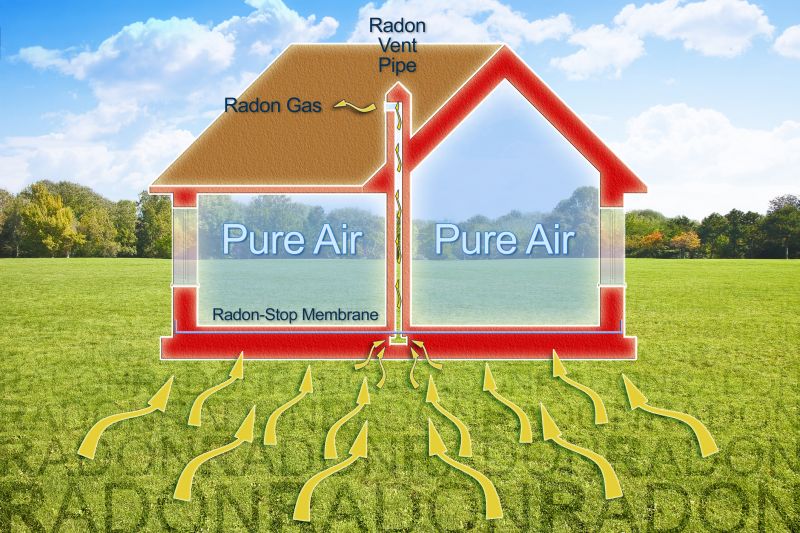
Radon gas abatement services involve the installation of specialized systems designed to reduce radon levels inside a home or building. These systems typically include vent pipes and fans that work together to safely redirect radon gas from beneath the property to the outside atmosphere. The process is focused on creating a continuous flow that prevents radon from accumulating indoors, helping to improve indoor air quality and reduce potential health risks associated with long-term radon exposure.
Radon gas can cause serious health issues, especially for those living in areas with naturally high radon levels. Elevated radon concentrations are linked to an increased risk of lung cancer, making mitigation an important consideration for many homeowners. Radon abatement services help solve this problem by effectively lowering indoor radon levels, providing a safer living environment. These services are especially relevant for homes that have tested high for radon or are located in regions known for higher radon presence.
Properties that typically benefit from radon gas abatement include both new and existing homes, particularly those built on or near soil with high uranium content. Basements, crawl spaces, and lower levels are common areas where radon tends to accumulate, making these spaces a focus for mitigation efforts. Radon abatement can also be useful in multi-family buildings, rental properties, and commercial spaces where indoor air quality is a concern. Homeowners who have conducted radon testing and found elevated levels are encouraged to explore mitigation options to ensure a healthier indoor environment.
Choosing to work with local contractors for radon gas abatement ensures that the installation is tailored to the specific characteristics of a property. These service providers understand regional soil conditions and building types, allowing them to recommend the most effective solutions. Whether a home needs a simple vent pipe system or a more comprehensive approach, local pros can handle the installation efficiently and professionally. Contacting experienced service providers can help homeowners determine if radon mitigation is necessary and find the right solution to protect their indoor air quality.
The overview below groups typical Radon Gas Abatement projects into broad ranges so you can see how smaller, mid-sized, and larger jobs often compare in Greenville, SC.
In many markets, a large share of routine jobs stays in the lower and middle ranges, while only a smaller percentage of projects moves into the highest bands when the work is more complex or site conditions are harder than average.
Smaller Repairs - Typical costs for minor radon mitigation projects in Greenville and nearby areas range from $250 to $600. Many routine repairs fall within this range, covering sealing small cracks or installing basic vent fans.
Standard Mitigation Systems - Installing a standard radon abatement system usually costs between $1,200 and $2,500. Most homes requiring these services fall into this price band, depending on the size and layout of the property.
Complex or Larger Projects - Larger or more complex radon abatement projects can cost $3,000 to $5,000 or more. These tend to involve extensive foundation work or multiple venting points, which are less common but necessary for some homes.
Full Home Replacement - Complete radon mitigation system replacements or significant upgrades can reach $5,000+, especially for older or heavily contaminated properties. Such projects are less frequent but are essential for high-risk situations.
Actual totals will depend on details like access to the work area, the scope of the project, and the materials selected, so use these as general starting points rather than exact figures.
Indoor Air Quality Testing - professionals who evaluate air pollutants and ventilation systems can apply similar skills to detecting radon levels and assessing building safety.
Foundation Sealing and Waterproofing - contractors experienced in sealing cracks and waterproofing basements have expertise in preventing radon entry through soil and foundation breaches.
Soil Vapor Intrusion Mitigation - specialists in controlling soil gases and vapor intrusion work with similar planning and techniques used in radon abatement projects.
Ventilation System Installation - installing and optimizing ventilation systems to improve indoor air quality aligns with radon mitigation strategies that involve controlled airflow.
Home Inspection Services - inspectors trained to identify building vulnerabilities and hazards often perform radon testing as part of comprehensive evaluations.
Asbestos and Mold Remediation - remediation experts skilled in containment and removal of indoor hazards utilize similar planning and safety protocols applicable to radon mitigation.
When evaluating service providers for radon gas abatement, it’s important to consider their experience with similar projects in the Greenville, SC area. Homeowners should seek out local contractors who have a proven track record of successfully handling radon mitigation systems in homes comparable to their own. This helps ensure that the contractor understands the specific challenges that may arise and has the practical knowledge to address them effectively. Reviewing how long a contractor has been working on radon-related projects and whether they have completed a variety of homes can provide valuable insight into their familiarity with local building codes and environmental conditions.
Clear, written expectations are essential when comparing radon abatement services. Homeowners should ask potential service providers to outline the scope of work, including the installation process, materials used, and any necessary follow-up steps. Having these details in writing helps prevent misunderstandings and provides a basis for comparing proposals objectively. It’s also helpful to request documentation of the contractor’s approach to testing and verifying that radon levels are reduced to acceptable levels, ensuring that the mitigation system is tailored to the specific needs of the home.
Reputable references and strong communication are key indicators of reliable service providers. Homeowners can ask for references from previous clients who had similar radon mitigation work done and follow up to learn about their experiences. Good communication from the contractor includes prompt responses to questions, transparency about procedures, and a willingness to explain technical aspects in understandable terms. Since the site introduces homeowners to local options, it’s important to focus on how well each contractor listens, provides clarity, and demonstrates professionalism, as these qualities contribute to a smooth and successful radon abatement process.
Property owners in Greenville, SC use Radon Gas Abatement services for practical projects around their homes and businesses. This guide focuses on everyday jobs and straightforward project options.
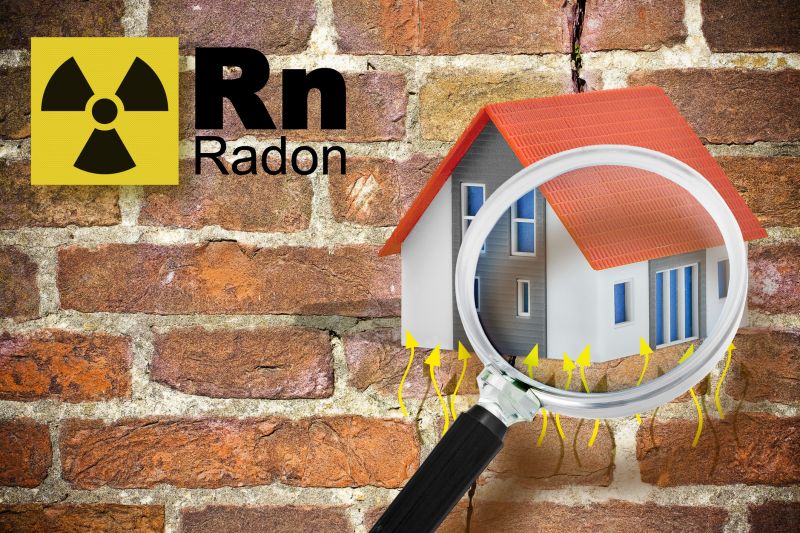
Radon gas abatement services are often sought after by property owners in Greenville, SC, who are concerned about indoor air quality and the health implications of elevated radon levels. Homeowners with older houses or those that have recently undergone renovations may consider radon testing and mitigation to ensure a safe living environment. Additionally, individuals preparing to sell their homes might look for local contractors to perform radon reduction measures, as these can be a key part of property disclosures and inspections.
In many cases, Greenville residents turn to nearby service providers when they discover high radon readings or want to proactively address potential risks. Whether dealing with a newly purchased property or maintaining a healthy home, property owners often contact local contractors to install radon mitigation systems or improve ventilation. These simple measures can help reduce radon levels and provide peace of mind for families and buyers alike.
What is radon gas abatement? Radon gas abatement involves methods used by local contractors to reduce radon levels inside homes and buildings, helping to improve indoor air quality and safety.
How do professionals detect radon levels? Service providers typically use specialized testing devices to measure radon concentrations accurately within a property.
What techniques are used to mitigate radon gas? Common mitigation methods include installing venting systems and sealing cracks to prevent radon from entering indoor spaces.
Is radon abatement necessary for my home? A radon test can determine if abatement services are needed; local contractors can assist with testing and recommendations based on results.
What should I consider when choosing a radon mitigation service? Look for experienced local contractors who specialize in radon abatement and can provide tailored solutions for your property.
Radon testing for new home construction - property owners can ensure their new build is safe by having local contractors perform radon testing during the planning phase.
Basement radon mitigation in existing homes - homeowners can reduce radon levels in below-ground living areas to improve indoor air quality.
Soil venting solutions for renovation projects - property owners planning basement or crawl space renovations can consult local experts to install venting systems that reduce radon infiltration.
Preventative radon assessments for property upgrades - those upgrading or finishing basements can use radon abatement services to maintain safe indoor environments.
If you are thinking about Radon Gas Abatement for a property in Greenville, SC, this guide is meant to help you understand the work, the typical project types, and how different options might fit your plans.
When you are ready, you can use the quote form on this page to share a few details about your project. From there, local pros can review the basics and respond with options that match what you have in mind.